Community Learning Circles
Bridge classes for children who need structured catch-up support in literacy, numeracy, and routine study habits.
Muassasa Omid baraye Taleem wa Rahbariyat dar Afghanistan equips children, youth, and local educators with practical learning pathways, trusted mentoring, and community-led leadership programs that strengthen opportunity where it is needed most.
Support Education NowOur organization works alongside local teachers, parents, and community leaders to keep foundational learning moving even when infrastructure, distance, or economic pressure disrupts formal schooling.
Small-group literacy and numeracy sessions close urgent learning gaps.
Women mentors and youth facilitators create safer learning pathways.
Community committees help sustain each center after launch.
Each program links practical instruction with local problem-solving. Teachers receive coaching, adolescent leaders learn facilitation, and parents help guide attendance, safeguarding, and outreach.
Training plans are built around local language, context, and seasonal realities.
Youth leadership circles strengthen confidence, public speaking, and civic responsibility.
Monitoring focuses on retention, progression, and real household-level outcomes.
Our portfolio spans accelerated education, teacher support, leadership formation, and family engagement, designed to work across changing local conditions.
Bridge classes for children who need structured catch-up support in literacy, numeracy, and routine study habits.
On-site and peer-based coaching for classroom planning, active instruction, and low-resource teaching methods.
Mentoring and leadership training for adolescent girls building communication, confidence, and service skills.
Parent sessions and referral pathways that improve attendance, safety awareness, and trust in local learning spaces.
After local families in west Kabul reported repeated schooling interruptions, our team partnered with volunteer educators and mothers’ groups to reopen a structured evening learning space. The center began with remedial lessons for 38 students and grew into a wider support network that included parent dialogues, reading clubs, and youth-led peer mentoring.
A cross-functional team coordinates partnerships, education quality, field operations, and youth leadership support.
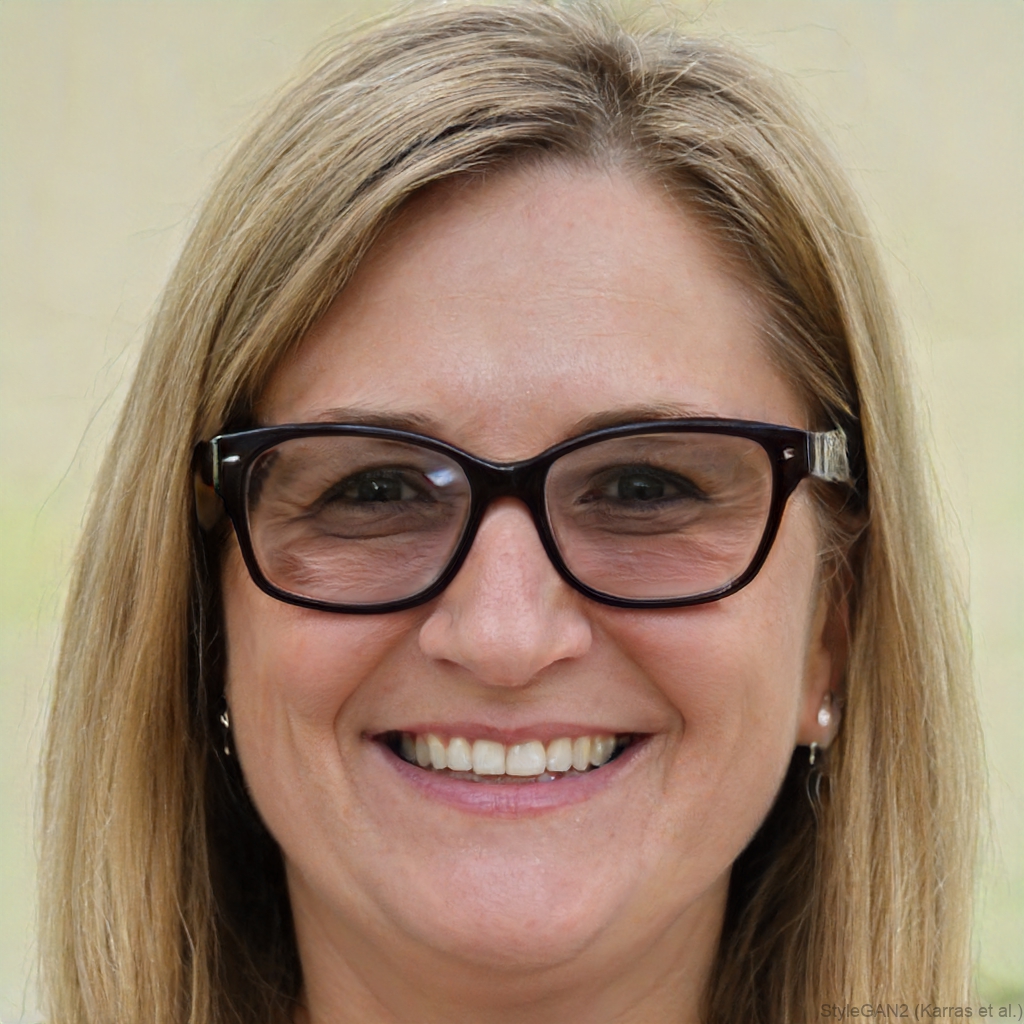
Director

Head of Education Programs
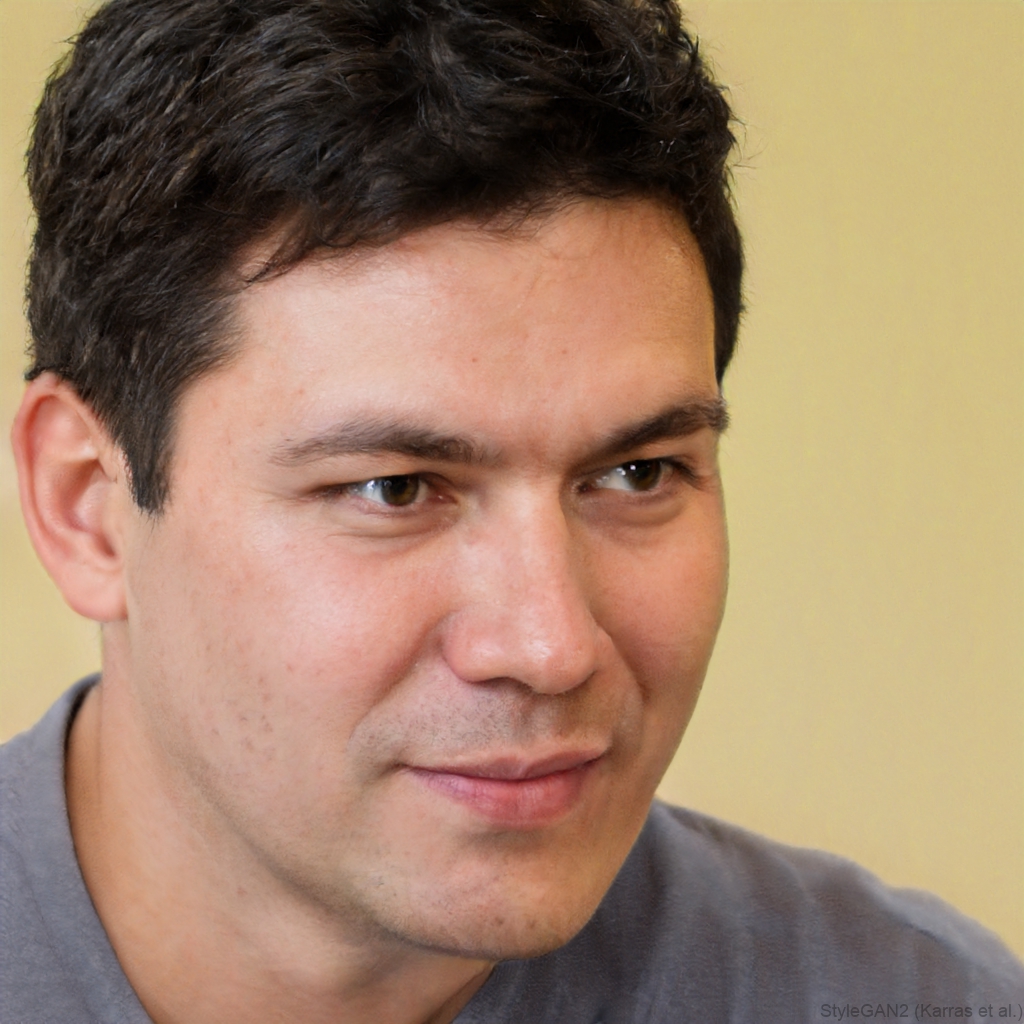
Field Operations Lead

Youth Leadership Coordinator
A look at facilitator routines and parent engagement practices that are keeping learners consistently enrolled.
Peer facilitators are helping families and adolescents solve practical barriers to participation.
Simple routines are giving teachers more structure, clarity, and learner engagement.
Local decision-making is strengthening attendance planning and safeguarding checks.
Mentors share how trust, routine, and public speaking practice are changing participation.
Shared spaces, volunteer educators, and community planning continue to expand reach.
Coordination is managed from Kabul with active community partnerships and delivery points in western, central, and northern corridors. Our current network prioritizes continuity for learners facing the highest barriers to access.
Kabul: National coordination, teacher support, and youth fellowship management.
Herat: Community learning circles and family outreach programming.
Mazar-e-Sharif: Facilitator training, mentoring, and regional logistics support.