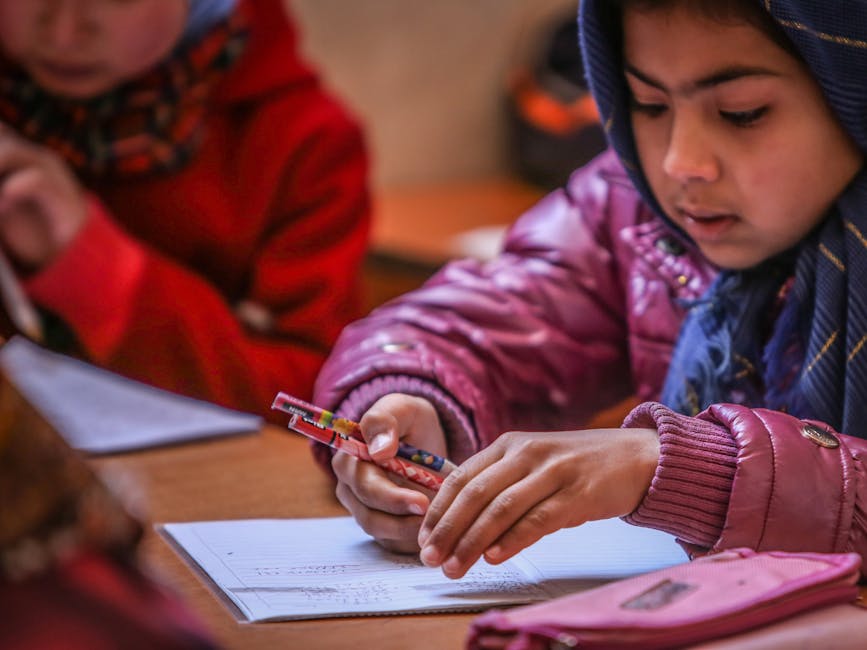
One portfolio, four connected layers of support.
We design programs to solve the daily barriers that keep learning fragile: distance, interrupted schooling, limited materials, reduced confidence, and weak links between educators and families.
Our programs combine accelerated learning, teacher support, youth leadership, and family engagement so children and adolescents can continue growing even when formal systems are interrupted.
We design programs to solve the daily barriers that keep learning fragile: distance, interrupted schooling, limited materials, reduced confidence, and weak links between educators and families.
Small-group classes are organized close to where families live, making it easier for children to return to structured study. Sessions focus on literacy, numeracy, and practical study routines that prepare learners to progress into more formal pathways.
Bridge cohorts prioritize children with interrupted schooling and urgent learning gaps.
Facilitators use low-resource materials and high-frequency assessments to track progress.
Parents receive simple guidance to support reading practice and attendance at home.
Each program can stand alone, but impact grows when learning support, educator coaching, youth leadership, and household engagement move together.
Flexible classes for children who need catch-up instruction, safer routines, and a practical route back into sustained learning.
Multi-age cohorts organized around foundational competencies.
Weekly attendance follow-up with caregivers and local volunteers.
Progress reviews aligned to literacy and numeracy benchmarks.
Peer and on-site coaching that strengthens lesson structure, learner participation, and classroom management in low-resource settings.
Demonstration lessons and observation cycles grounded in local realities.
Coaching tools focused on active teaching and practical planning.
Shared reflection sessions that spread effective routines across sites.
Mentor-led learning spaces where adolescent girls build confidence, communication skills, and experience leading peers and community initiatives.
Public speaking, facilitation, and goal-setting modules.
Mentorship circles led by trusted women educators and coordinators.
Service activities that connect leadership to visible community contribution.
Structured parent engagement and referral practices that improve attendance, trust, and protection around every learning site.
Caregiver dialogues on study routines, participation, and retention.
Safeguarding orientation for facilitators, volunteers, and committees.
Referral pathways for learners facing acute social or protection barriers.
A learner may enter through a community class, remain engaged because a parent committee follows up on attendance, and then benefit from stronger instruction because local educators receive continuous coaching. Older adolescents often move into mentorship and facilitation roles, creating a visible path from participation to leadership.
Teacher coaching improves the quality and consistency of learning sessions.
Youth fellows reinforce motivation through peer support and example.
Family outreach reduces preventable drop-off and strengthens trust.
In one community site, afternoon catch-up classes were paired with weekly coaching for facilitators and monthly family meetings. Within a short period, attendance stabilized, adolescent girls began leading peer study groups, and local volunteers took on practical responsibilities for outreach and coordination.
We measure programs not only by enrollment, but by retention, participation quality, coaching follow-through, and the strength of community ownership.
Programs are placed where families can realistically participate, reducing transport and safety barriers that often cause irregular attendance.
Caregiver meetings and local committees help monitor attendance, support continuity, and protect trust around learning spaces.
Frequent observation and feedback help facilitators strengthen routines, pacing, and engagement across changing classroom conditions.
Growth depends less on scale alone and more on whether each site has trained facilitators, trusted local relationships, and a workable plan for continuity through changing conditions.
Site readiness: Identify safe, reachable spaces that learners can attend consistently.
People pipeline: Strengthen facilitators, mentors, and community focal points before expanding enrollment.
Protection and trust: Keep safeguarding and family communication central to program design.